Whoa! Seriously? Okay, so check this out—I’ve been juggling wallets for years and somethin’ kept nagging at me. My instinct said a wallet should feel like a Swiss Army knife: quick, secure, and surprisingly thoughtful about context. Initially I thought that meant just better UX, but then realized it really needed three core capabilities working together to be useful day-to-day. These are portfolio tracking, deep dApp integration, and true multi-chain support that doesn’t make you jump through flaming hoops.
Really? Wow! Most wallets brag about safety but forget the everyday chores people actually need done. On the surface you want balances and transaction history, sure, but on a deeper level you want signals — tax snapshots, unrealized gains, risky token flags — stuff your brain can act on before you panic. Actually, wait—let me rephrase that: it’s not about dashboards that look pretty, it’s about actionable awareness so you don’t end up surprised by a rug or a gas bill. On one hand a clean UI calms you; on the other hand, missing integrations mean you miss context that costs money.
Whoa! Hmm… this part bugs me. Many wallets still treat dApps as afterthoughts like a browser bookmark that sometimes works. The smarter approach is to treat dApps as first-class partners, with transaction simulation, explicit permission reviews, and the ability to see the downstream effects of a swap or approval before you hit confirm. Initially I thought transaction simulation was a luxury, though actually it’s a necessity when you’re dealing with DeFi composability and cross-chain bridges. So yeah, the tools that show you “what if” scenarios save time and grief.
Wow! Here’s the thing. Portfolio tracking isn’t just about numbers; it’s mental bookkeeping that helps you sleep at night. Medium-term investors want aggregated views across chains and protocols, while active traders need per-position P&L and token exposure alerts. My instinct said more notifications would help, but I learned that too many pings cause noise; what helps is smart filtering — highlights, not every tick. On the flip side, missing an airdrop snapshot or a liquidity position blip can be costly, and that sticky trade-off matters.
Whoa! Really? I told myself privacy could be a secondary concern, but then a bad snafu reminded me otherwise. Wallets that aggregate across chains often leak analytics unless they let you opt into anonymized methods or client-side computations, and that’s a detail that will matter as regulators and bots scrutinize activity. I’m biased, but a wallet that does heavy lifting client-side — while still giving you clear exportable data for taxes — feels like the right compromise. (oh, and by the way… sometimes I export CSVs at 2am, no judgement.)
Whoa! Hmm. Integration patterns vary wildly between EVM chains and layer-2s, and even two EVMs can behave slightly different under the hood. A genuinely multi-chain wallet abstracts those differences so you can focus on strategy, not on chain management minutiae. Initially I thought creating that abstraction was mostly UI work, but then realized protocol idiosyncrasies force deeper engineering choices — things like nonce handling, RPC fallback, and simulation fidelity. So a great wallet needs both UI polish and network-level robustness.
Really? Wow! Transaction simulation deserves its own applause. Before signing, you should see gas estimates, state changes, and failure modes — not some generic “will succeed” guess. On one hand simulation tools are computationally heavier; on the other hand, they avoid catastrophic mistakes that would cost you far more in fees and reputation. Actually, wait—let me rephrase that: a good simulator is an insurance policy you pay with engineering attention, not with money.
Whoa! This next bit is a little personal. I once nearly approved a blanket allowance to a contract at 3am after a few drinks — terrible idea, don’t do that — and only a proper permission-review flow saved my wallet from being drained. My instinct said “just use hardware” but reality is many workflows demand a hot wallet with smart permissions. So what matters is the granularity of approvals, the ability to revoke easily, and clear UI that shows exactly who will move what and when.
Wow! Here’s what bugs me about many “multi-chain” wallets: they act like an aggregator but hide cross-chain trade-offs and fees. You need to see the full path of a bridged swap, including bridge premiums and on-chain slippage, before you commit. On the bright side, a wallet that simulates the whole route — and warns you about liquidity cliffs or unusual slippage — changes behavior quickly. On the other bright side, you start making smarter tradeoffs instead of guessing.
Where pragmatic design meets real Web3 needs
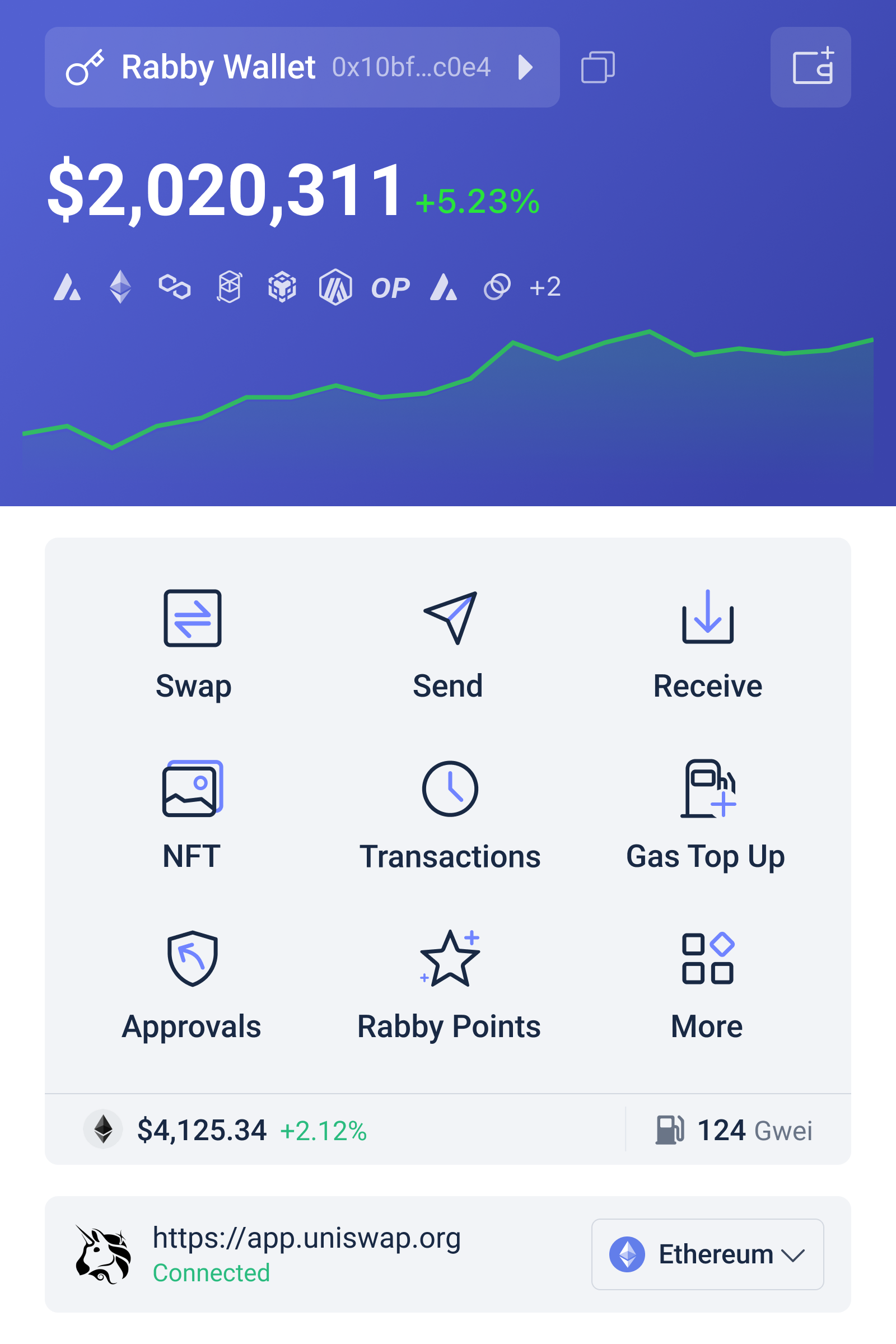
Whoa! Seriously? If you want a wallet that actually reduces cognitive load, look for three tangible features: consolidated portfolio views across chains, in-wallet transaction simulation and permission analysis, and seamless dApp integration that respects privacy. Initially I thought a mental model of “wallet equals safe storage” was enough, but then realized DeFi is an active workflow and the wallet needs to be a partner, not just a vault. The wallet I keep recommending in conversations for folks who care about these things is rabby wallet because it prioritizes simulation, clear permission controls, and multi-chain UX without making the user a devops engineer.
Whoa! Hmm… not selling anything here, just speaking from experience and a lot of late-night troubleshooting. A few product details I look for: first, client-side portfolio aggregation so your addresses don’t have to hit a centralized API for casual checks. Second, per-dApp transaction previews that show approvals and state changes in plain English. Third, easy revoke and granular allowances. On top of that, good RPC fallback logic, and optional privacy-preserving features — all those make a tangible difference.
Really? Wow! Developer ergonomics matter too, even for end users occasionally. If a wallet provides clear RPC diagnostics, chain customizations, and deterministic simulation outputs, it helps both builders and users debug fast. My instinct said “devs don’t care about UI” but actually dev-friendly tooling forces higher quality across the stack which benefits everyone. So wallets that support plugin-like integrations and robust simulation APIs punch above their weight.
Whoa! Okay, here’s a small tangent: the local vibe in San Francisco and New York is different about risk — people in SF seem to chase the newest L2, while folks in NY want compliance and audit trails. That cultural split shows up in wallet feature preferences, and it’s a reminder that no single product will win everyone. Still, a wallet that lets you customize the balance between privacy, usability, and compliance will fit more workflows.
Wow! I’ll be honest, there are trade-offs and I don’t have all the answers. I’m not 100% sure which features will be mandated next by regulators, and that uncertainty should make you prefer wallets that keep exports simple and privacy configurable. On one hand you want visibility for taxes and reporting; on the other hand you want to avoid handing over your whole behavioral graph to a central service. The best compromise I’ve seen is client-first design with optional server features you can opt into.
FAQ
How does transaction simulation actually prevent loss?
Simulation runs a dry-run of the transaction against the chain state to reveal failures, slippage, and gas spikes before you sign, which prevents you from signing obviously broken or subtly malicious transactions that would otherwise cost you money.
Can a multi-chain wallet really give an accurate portfolio view?
Yes, if it aggregates client-side data across chains and reconciles token metadata, liquidity pool positions, and bridge statuses; accuracy depends on integration depth and whether the wallet pulls from reliable on-chain sources rather than a single centralized index.